

Longtime fans and new recruits get another chance to explore two defining chapters in Treyarch history.
Two of Treyarch’s most celebrated shooters are preparing to report for duty again, with Call of Duty: Black Ops and Black Ops II coming to PlayStation in July. Iron Galaxy is handling the ports, and both releases will include Campaign, Multiplayer, and Zombies. These are not trimmed-down nostalgia samples; they are complete tours through an era when Call of Duty turned midnight launches into neighborhood holidays.
The project is being presented as a pair of ports rather than elaborate remasters, which may suit the occasion. These games built their reputations through atmosphere, tight gunplay, memorable maps, and modes that kept players awake long after common sense clocked out. Bringing the original experiences forward offers veterans a convenient return trip while introducing newer players to the foundation beneath many modern Black Ops ideas.
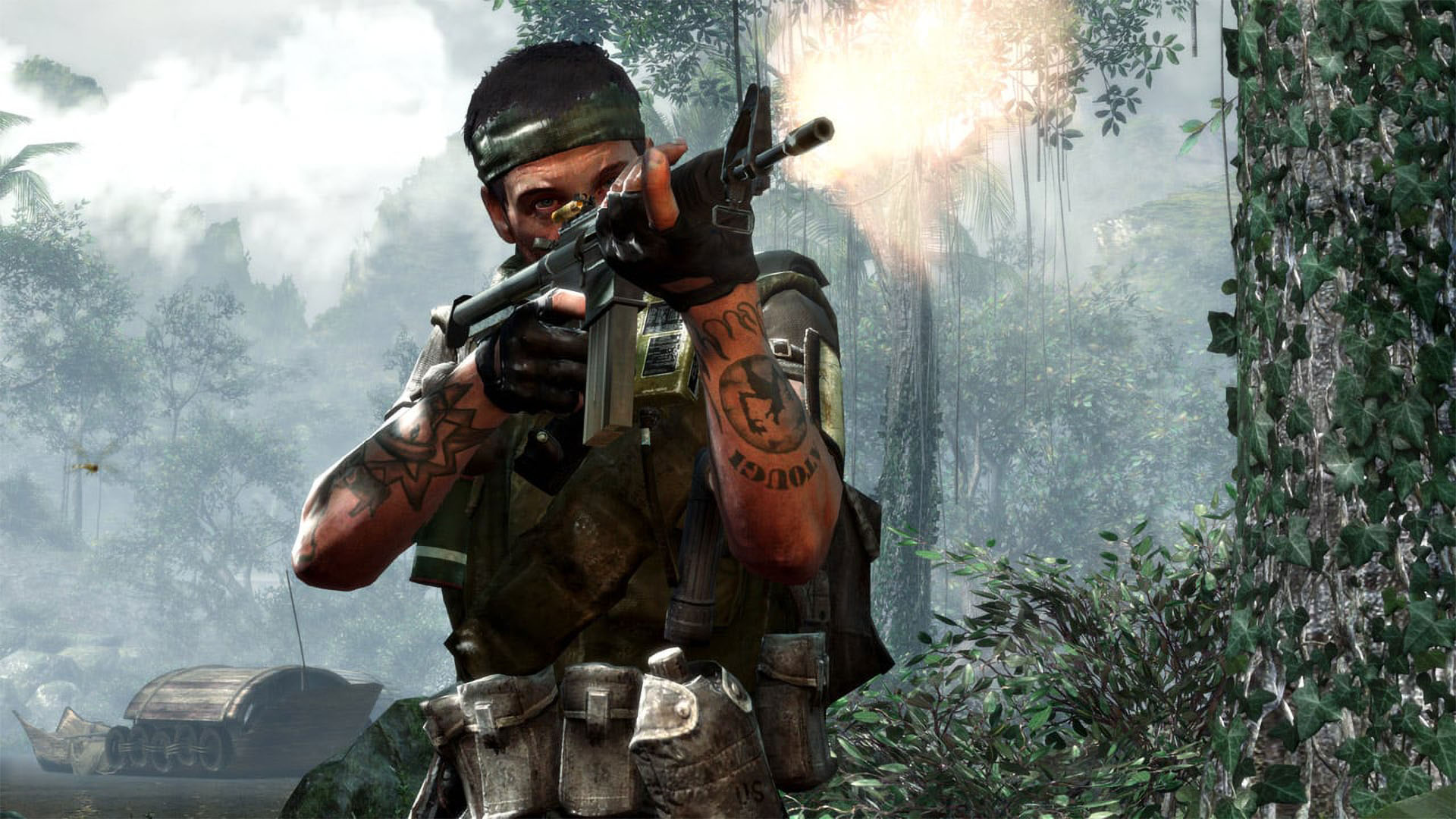
The first Black Ops remains one of the franchise’s strongest campaigns. Released in 2010, it follows Alex Mason through covert Cold War operations, fractured memories, and an interrogation built around a mysterious sequence of numbers. The story jumps between explosive missions and psychological uncertainty, creating a paranoid thriller where even the player’s recollection feels suspicious. Few military shooters have made sitting in a chair seem so menacing.
These are not trimmed-down nostalgia samples; they are complete tours through an era when Call of Duty turned midnight launches into neighborhood holidays.
Its multiplayer is another major reason to celebrate. Black Ops introduced COD Points as an earnable currency, added Wager Matches, expanded player-card customization, and offered Theater Mode for replaying victories or studying spectacular mistakes. Combat Training allowed players to practice against bots, making the game welcoming without sanding away its competitive edge. Then there was the RC-XD, a remote-controlled car with the emotional stability of a lit firecracker.
Zombies helped transform the original package into something larger. Kino der Toten and Five gave squads distinctive settings, escalating waves, hidden secrets, and the irresistible promise that one more attempt would somehow go better. Solo players could test their survival instincts, while four-person teams balanced weapon purchases, revives, doors, and panic. It was cooperative strategy disguised as several friends yelling about windows.
Black Ops II arrived in 2012 and pushed the series forward without abandoning its history. Its campaign moves between Cold War events and a near-future conflict centered on Raul Menendez, one of Call of Duty’s most memorable antagonists. Player choices, completed objectives, and mission outcomes can influence later events and produce different endings. That branching structure gives returning players a genuine reason to revisit the story instead of marching through familiar explosions.
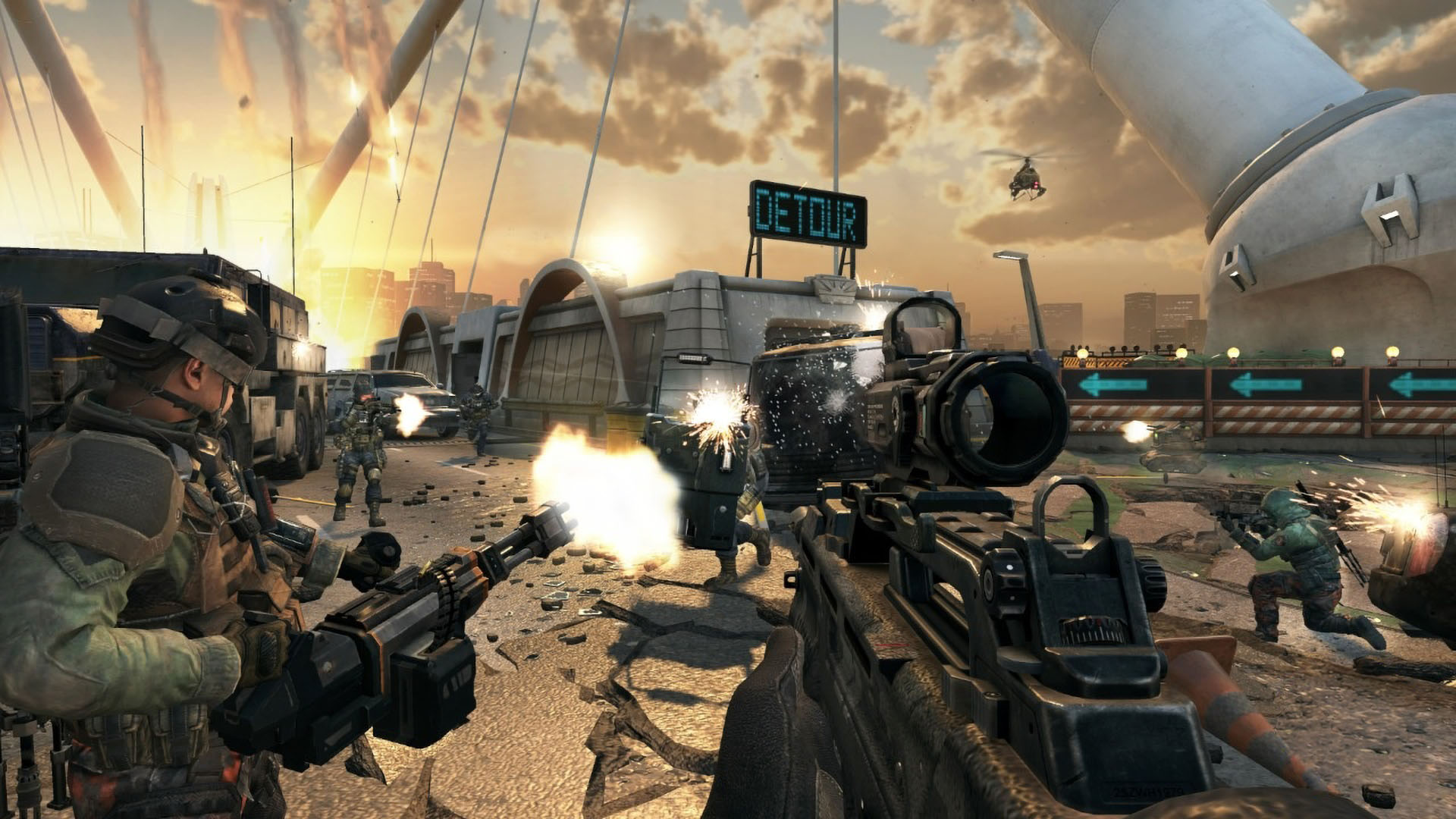
The sequel’s multiplayer became a blueprint for competitive shooters. Its Pick 10 system let players distribute loadout points across weapons, attachments, perks, and equipment, creating freedom without opening a warehouse of nonsense. Scorestreaks rewarded objective play, League Play supported serious competition, and the map selection delivered brisk encounters with clean routes and recognizable landmarks. It remains the kind of design people discuss with suspiciously misty eyes.
Black Ops II also expanded Zombies into a stranger, more ambitious attraction. Its broader era became associated with adventures including Mob of the Dead, Buried, and Origins. Those maps combined survival with memorable characters, puzzles, and elaborate objectives, helping Zombies evolve beyond a bonus diversion. The mode had officially grown tentacles, built a time machine, and stolen the spotlight from almost everything standing nearby.
The arrival of both ports reconnects PlayStation players with two snapshots of Treyarch’s creative rise. One game perfected Cold War paranoia and classic arcade-like multiplayer; the other experimented with campaign choice, futuristic technology, flexible loadouts, and increasingly elaborate undead storytelling. Together, they provide immense variety, like two classified folders containing covert intel that will monopolize your entire weekend.
So far, no updated Xbox versions have been announced, but we'll continue to monitor the release info and update you if/when those will be added to the July drop.
These releases do not need to reinvent Black Ops to justify their return. Their greatest attraction is the opportunity to experience influential campaigns, multiplayer systems, and Zombies adventures together on PlayStation again. With Iron Galaxy bringing both packages forward and July approaching, the numbers are finally leading somewhere pleasant. Black Ops and Black Ops II are coming back, and countless players already know which maps, missions, and mystery boxes they want to visit first.



 Sci-Fi 3D Team






 Luna Gray | Contributing Writer